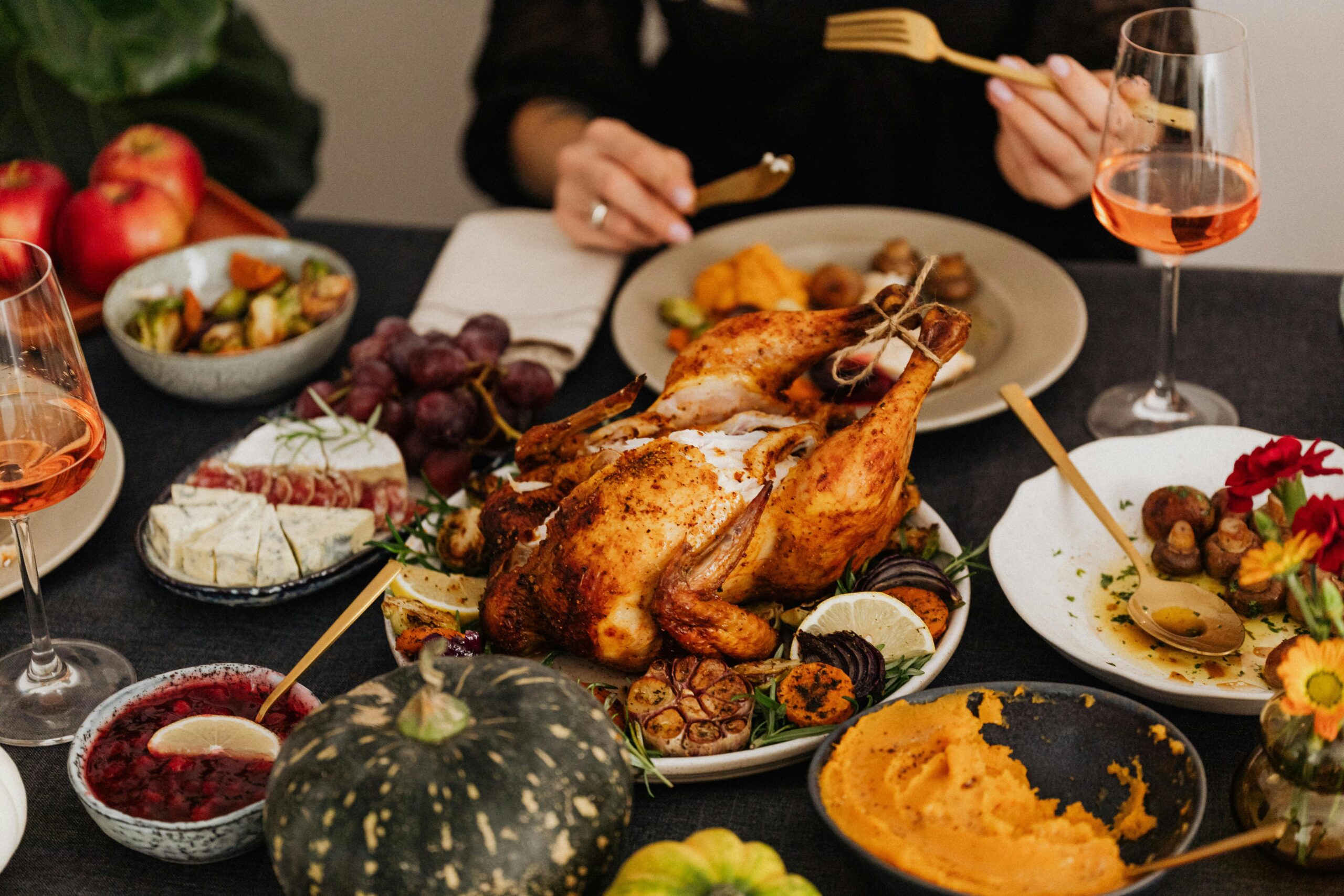
The holiday season is hard for a lot of people. You are thrown into large, loud, crowded interactions with people that maybe you don’t see that often, or with people that you have strife with.
You are expected to present your best self, act as if everything in your life is hunky-dory, and engage in small talk.
Or, on the other side of things, maybe you don’t have a lot of family or any family at all, and the holidays mean loneliness to you. The holidays can also be a reminder of all the loved ones who have passed away.
Whichever side of the coin you lie on, the holiday season is not always pumpkin pie and mistletoe.
Now, add in ADHD.
Whether you or someone in your family was diagnosed in childhood, are recently diagnosed, or are self-diagnosed, all of us ADHDers will be experiencing similar things:
disrupted routines, sensory overwhelm, and increased pressure to “have fun” and “enjoy our time.”
Add all of those ingredients together with less sleep and unhealthy foods, and you have a recipe for holiday burnout, emotional dysregulation, tantrums, tears, and fighting.
3 Big Challenges for Neurodivergents
1. Disrupted Routines
As much as routines can be hard to stick to for ADHDers, they are essential to feeling regulated. Losing the normal structure of the day (and night) can lead to more emotional outbursts, sleep problems, and conflicts between members of the family.
Routines and structure create feelings of safety and control in people with ADHD. Without them, everything can feel overwhelming, out of control, and hard to deal with.
Besides the daily routine itself being off, there are also different rules at relatives’ houses than at your own home that you and your children have to learn, remember, and comply with.
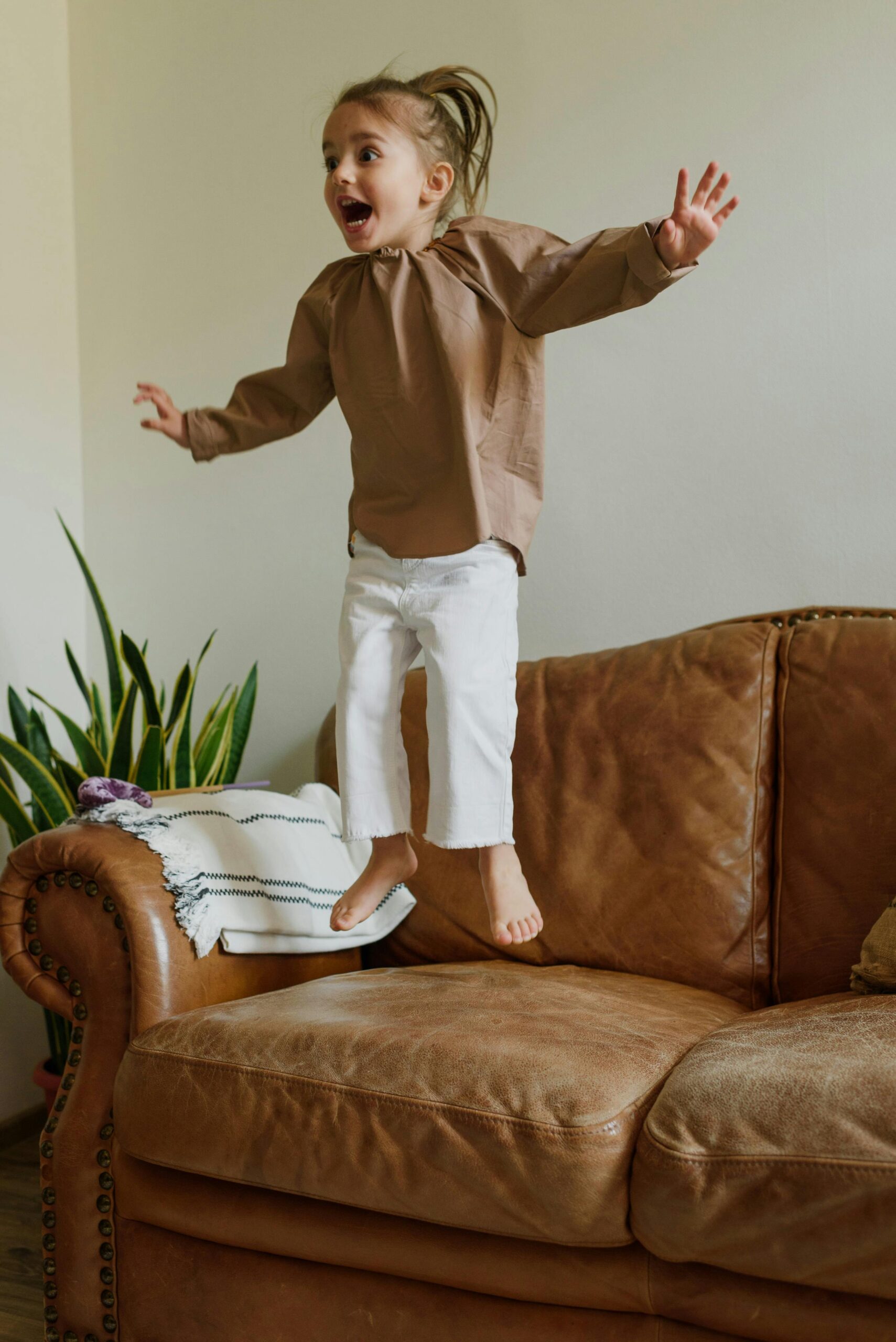
For example, there is no running, jumping, or somersaulting allowed at my husband’s grandma’s house, where we are currently for the holidays.
While this is a perfectly acceptable and understood rule as an adult, for kids who thrive on being active or are sensory-seeking to fulfill a proprioceptive or vestibular need, these rules can feel stifling and ridiculous.
“I can’t move my body to feel better? I must sit here for hours or get yelled at. I can only slowly and carefully move these toys around, or I’ll be in trouble.”
Not only is it hard for children to wrap their heads around the fact that rules are different here than in our own home, but it also can build up uncomfortable feelings in their mind and body.
And now, as the parent, not only are you trying to deal with your own overwhelm from the disrupted routines, but you are also in charge of managing your children’s overwhelm, which may be coming out in outbursts that your extended family does not understand.

2. Sensory Overwhelm
Everything about the holidays is peak sensory overstimulation. Lots of people = crowded personal space, more noise, less chances to escape, and more personalities to deal with in your space. There are different smells and tastes. If you have picky eaters, they may hardly eat during the big family meals, causing comments from relatives.
As mentioned above, your or your child’s proprioceptive or vestibular needs may not be being met due to differing rules in other environments. Unfortunately, jumping, bumping, and wrestling can often be seen as wild, unregulated behavior. “You need to control your children,” relatives may intone.
However, those of us well-versed in childhood behavior as well as sensory-seeking know that these behaviors are helping to regulate the child and make them feel calmer and less overstimulated. All of these needs, if unmet, are going to bottle up, causing more upset about smaller things.
It all comes down to this: you’re in a different visual environment with different smells and sounds, expected to act in a certain way that is different from your normal, and expected to be happy about it. No wonder the holidays cause so many meltdowns.
3. Increased Pressure
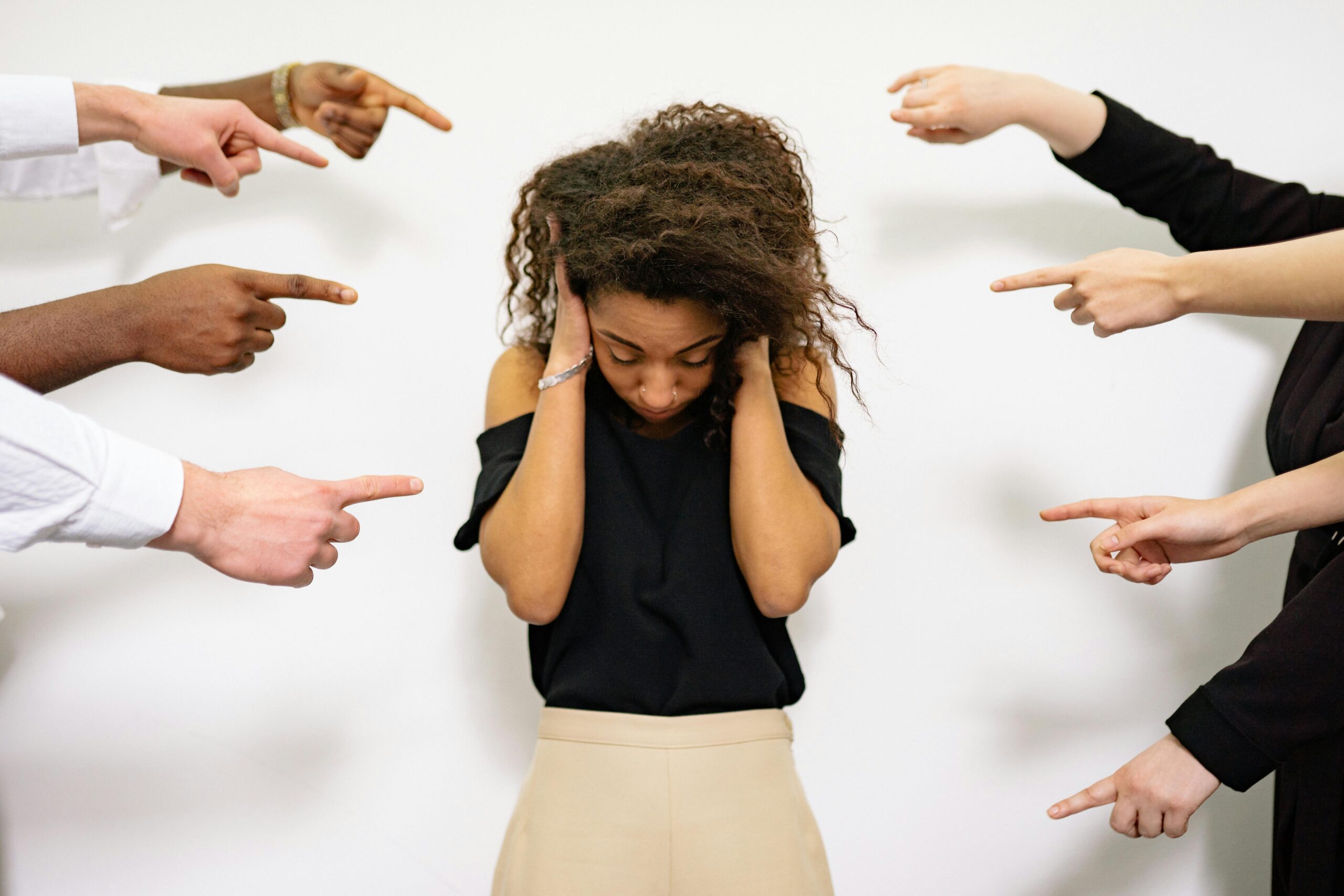
According to Facebook, Cindy took her family to the Turkey Trot, corn maze/hayride, lunch with the Grinch, Santa pictures, Santa parade, AND managed to bake 4 homemade pecan pies during the holiday season. According to Instagram, Luna’s family has matching holiday pajamas, and she both staged and took all their Christmas card photos herself. Lotty had her holiday shopping done in September. Marta seemlessly travels with all 6 of her kids every holiday season to see relatives 4 states away – without any screen time.
The pressure to do it all and create as much fun as possible is a staple of the holiday season.
It’s easy to get sucked into the “gotta do it all” attitude, especially as a parent. You don’t want your kids to miss out!
But let’s be realistic here: how many times have you tried taking your kid to an event, not even during the busy holiday season, and your kid was not having it at all? You spent $200 to go to the waterpark, and your child pouted the whole time because they would rather be at home. They said it was too hot, too loud, too crowded, too something.
Or maybe the kids had a great time, but you were barely holding yourself together the whole time. Your senses and anxiety had been heightened. You were constantly monitoring where the kids were, how they were feeling, if they were hungry or too hot, were they having fun. You had to deal with the tantrums of having to leave the fun place, and now you are home and curled up in bed trying to recover from the “fun family activity.”
Now imagine putting that experience on steroids, and you have the holiday season and its activities and expectations.

8 Tips for Staying Regulated This Holiday Season
So, how do you make the most of the holidays while staying regulated? Here are 8 tips on how to keep the whole family as unshaken as possible:

1. Don’t say yes to every opportunity
As we talked about in the previous section, there is increased pressure during the holiday season to do everything under the sun. Between local activities, family events, and even friend events, your calendar might look jam-packed.
This is where you need to be realistic and decide how much you, your partner, and your kids can really handle in a day or week. You know how things go outside of the holiday season, or how things went in years past, and you need to extend that knowledge to the current situation.
Don’t be afraid to say no to a family member or friend. This can feel tricky, especially if you have people-pleaser tendencies, but the more you push yourself and your family, the quicker one or all of you will burn out. And, if you burn out too soon into the holiday season, you’ll end up having to cancel or painfully endure more events than if you just missed one or two earlier on.
2. Create a visual calendar
Knowing ahead of time what is happening will reduce issues with transitions.
Nowadays, it is common to keep all your events and responsibilities typed into a digital calendar, which can work fine for teens and adults.
However, to extend this structure to your children, you can make a visual calendar to show them what activities or events are happening on what days and in what order.
To make things less overwhelming, you can also show them where there will be break times to decompress. You can even go over who will be at the event.
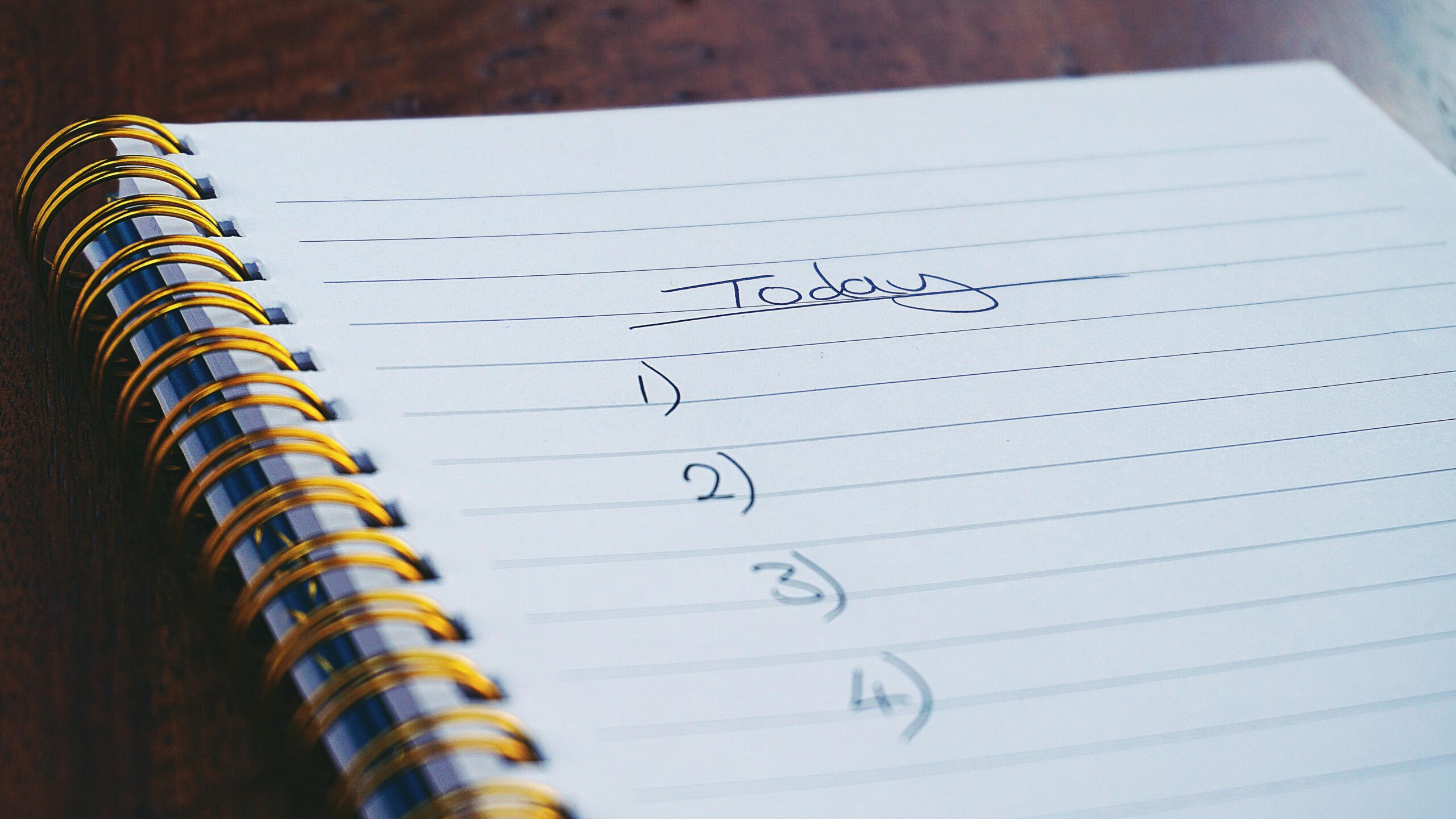
Though the picture above this heading is not an actual visual calendar, here is a link to a free printable one: https://busytoddler.com/printable-holiday-calendar/

3. Prepare for the sensory overwhelm
Knowing what kinds of things generally annoy or dysregulate you, your kids, or your partner is an important step in entering the holiday season.
Do you need to pack noise-canceling headphones, a special blanket or stuffed animal, fidget toys, or even a nose plug? Do you need to designate a quiet space? Can you only stay for a certain amount of time?
Make sure to think these things over ahead of time so that you can pack those items and have time to set expectations with your family members.

4. Set expectations with your family members/friends
You may need to talk to your family and friends ahead of the holidays to set realistic expectations and boundaries. This is something I have not ventured fully into yet, but, honestly, this is probably the year I should do it.
If your kid needs some time alone, figure out a space they could go to, and make sure that other adults and children in the house know not to bother them.
If they don’t want anyone to talk to them, hold that boundary for them, redirect relatives away from them, and don’t force your child to speak.
If your child doesn’t like hugging, offer alternatives, such as fist bumps, high fives, or even just a wave from afar.
It can be uncomfortable trying to set these boundaries and expectations with family members who do not understand neurodivergence. They may be critical of your parenting approach or your own needs due to this lack of understanding.
However, it is important to hold these boundaries for both yourself and your children to maintain feelings of safety and security.

5. Keep your anchor routines
Though it might not be possible to stick to your normal daily routine during the holiday season, you can try to preserve certain small routines to make things seem more normal. This is easiest to do in the morning and at bedtime.
Even if the timing of your bedtime is later than usual, you can still run through the same routines as usual: brushing teeth, reading books, and snuggling. This is something we actually struggled with tonight.
At home, our evening reading routine is that I read to our two youngest sons first in their room, lay with them both for 5 minutes, then go into our oldest son’s room, read to him, and lay with him.
Even though I have been researching and writing this blog article, I still tried to combine reading time with all three of them last night, rather than sticking to our anchor routine — and it was a disaster.
No one could sit still, stuffed animals were flying everywhere, and everyone was upset.
If we could have stuck closer to our normal routine, things probably would have gone smoother – and we will find out tonight at bedtime.

6. Make sure there is a balance (high-energy activities and calm-down times)
We talked earlier about the dilemma of differing rules at relatives’ houses and the need for proprioceptive/vestibular input in many neurodivergent children. This is where a little planning comes in.
It can be difficult if you live in a place where it gets cold during the holidays because the weather may limit your options. However, as long as it isn’t dangerously cold out, make sure to pack the family’s gloves, hats, boots, and jackets, so you can plan some brief times outside.
Today is our first full day at my husband’s grandma’s house, it is 4:30 pm, and we’ve already taken the kids to the park for 45 minutes in the morning and then, a few hours later, went on a 1.5-hour family walk in the woods. The walk was so exhausting (in a good way) that I don’t think we will need to schedule any more outdoor activity time this evening.
With tomorrow being Thanksgiving, the expectation of me helping to cook, and the temperature being colder, I’m going to have to make sure someone can take the kids out on 2-4 short (10-20 minute) outdoor excursions, whether that be to the park, for a romp in the yard, or a walk down the road.
On the flip side, you also have to allow for downtime: time on screens, reading, sitting and talking, playing with toys on the carpet, etc. This downtime allows time to unwind, destress, and regulate emotions.

7. Make sure everyone is comfortable communicating when they need a break
Have a talk as a family before you go into an event. Let everyone know that it is okay to need a break, whether that be from the noise, the people, the smells, whatever.
Explain a plan of action clearly. “If you are feeling grumpy all of a sudden or overwhelmed, find a parent and tell them you need a break,” or “Go to the guest bedroom and shut the door.”
Giving specific examples and instructions will help to make those moments go smoother, because in a moment of overwhelm, the last thing your or your child’s brain is going to be able to do is put together a plan of action.
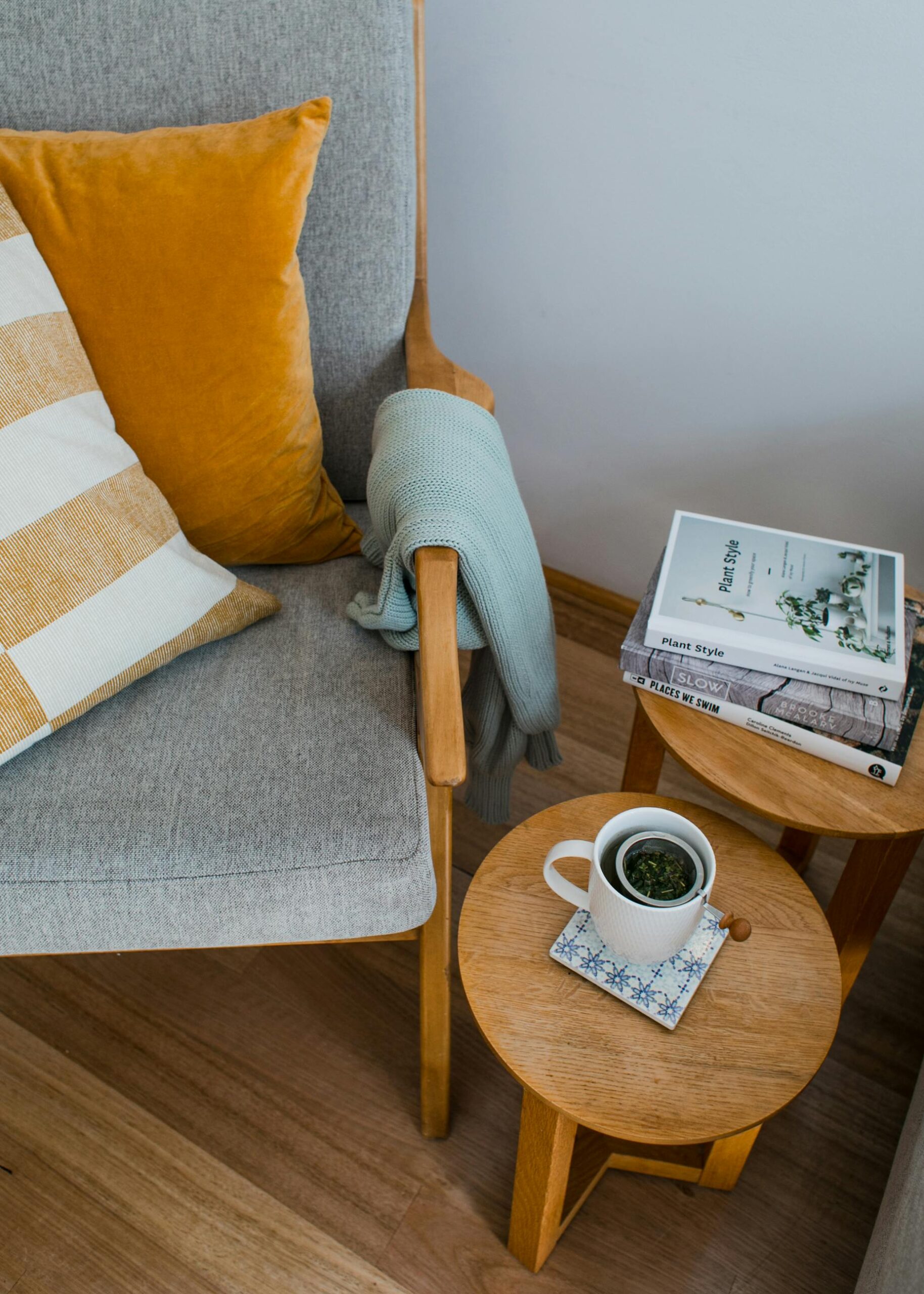
8. Create spaces for breaks
Having a designated break spot will help to reduce stress and confusion in the moment when someone really needs a break.
If you wait to find a spot until someone is already overwhelmed and dysregulated, there is more likely to be the meltdown that you were trying to avoid.
This may be easier to do if you are hosting an event in your own home. The most obvious break space could be the person’s own room.
However, if you are visiting a relative or friend’s home, this may be a bit more tricky. You’ll most likely need to talk to whoever is in charge of the home and find out if there is a room in the house that is set off from all the noise and activities, and that the homeowner is comfortable with you and/or your children using to decompress during the party or stay.
This Thanksgiving season, as a part of our normal yearly tradition, we are spending four days at a relative’s home. How many bedrooms/private spaces are available is dependent each year on who else is also staying for the holidays.
Some years, our kids get their own room; some years, they have to sleep in the living room. Some years, every level of the tri-level is used as sleeping space; some years, both the living rooms are open spaces for relaxing.
Fortunately, every year, my husband and I get our own bedroom, and that is the space I have designated as a “quiet area” for myself or any of the kids who need it.

What About You?
Hopefully, if you are reading this, you aren’t *too stressed* about the holidays. And, hopefully, these tips gave you some ideas for ways to help yourself and your family to navigate the holidays without getting overwhelmed.
If you have any more tips, comment below or on my Facebook page to share the knowledge!
Share this article with your friends and family!
References
https://www.everydayhealth.com/adhd/ways-to-cope-with-adhd-during-the-holidays
https://www.buoyhealth.com/learn/adhd-family-holiday-stress
https://www.additudemag.com/getting-through-the-holidays-neurodivergent-families/
Leave a Reply